Shaker vs Handleless Kitchens: Which Style Is Right for Your Home?
When comparing a Shaker vs handleless kitchen, there is no single style that suits every home. Both are popular, versatile and capable of creating a kitchen that will continue to look attractive for years. The right choice depends on your property, preferred appearance, cleaning priorities, budget and how you use the room.
If you are asking, “Which kitchen style should I choose?”, this guide explains the important differences between Shaker and handleless kitchens so you can make a more confident decision.
What Is a Shaker Kitchen and Why Is It So Popular?
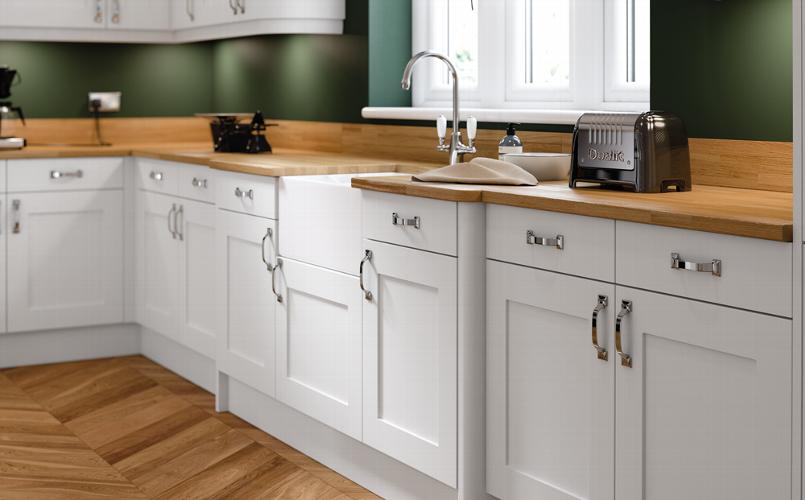
A Shaker kitchen is recognised by its framed cabinet doors, which typically feature a recessed centre panel and clean, balanced proportions. Although rooted in traditional design, its simple appearance means it can be adapted to suit period properties, family homes and contemporary interiors.
Shaker kitchens can be personalised through the choice of colour, handles, worktops and finishing details. Soft neutral shades and traditional handles can create a classic look, while darker colours, streamlined hardware and modern worktops can give the same door style a more contemporary character.
Which Homes Suit a Shaker Kitchen?
Shaker kitchens are especially well suited to period properties, cottages and homes with original architectural features. The detail within the doors can complement fireplaces, decorative mouldings and other traditional elements without making the kitchen feel overly ornate.
However, Shaker cabinetry is not limited to older properties. Its uncomplicated design also works effectively in newer homes, particularly when paired with modern appliances, simple handles and a restrained colour palette.
What Is a Handleless Kitchen and How Does It Work?
A handleless kitchen uses streamlined cabinet doors without separate handles or knobs. This creates smooth horizontal and vertical lines, making it a popular choice for contemporary kitchens and open-plan living spaces.
There are several ways to create a handleless appearance. Some doors include a shaped grip or recessed channel, while true handleless kitchens use rails fitted behind the cabinet fronts. Push-to-open mechanisms can also be used, allowing doors and drawers to open when pressed.
Which Homes Suit a Handleless Kitchen?
Handleless kitchens work particularly well in modern properties, extensions and open-plan kitchen and living areas. The reduced visual detail can make the cabinetry feel more like fitted furniture, helping it blend naturally into a multifunctional space.
The clean lines can also benefit smaller kitchens by making the room appear less cluttered. Colour and finish still have a significant effect: pale matt finishes can feel soft and understated, while darker or gloss cabinetry can create a more dramatic contemporary design.
Shaker vs Handleless Kitchens: Which Style Looks Best?
The visual difference between Shaker and handleless kitchens comes down to detail. Shaker doors introduce definition and character through their framed design, while handleless cabinetry creates a smoother and more minimal appearance.
Shaker Kitchens for Traditional and Character Properties
A Shaker kitchen is often the natural choice when you want the cabinetry to complement the character of the property. The framed doors add visual interest, while the choice of handles gives you another opportunity to personalise the design.
Shaker cabinetry can also soften a large kitchen, helping an expansive wall of cabinets feel more detailed and welcoming.
Handleless Kitchens for Modern and Open-Plan Homes
Handleless kitchens suit spaces where clean lines and visual simplicity are a priority. Without projecting handles, the cabinetry can create an uninterrupted finish that works particularly well alongside modern flooring, large windows and open-plan architecture.
This style can also help the kitchen connect with adjoining living and dining areas without making the overall space feel too functional or busy.
Can a Shaker Kitchen Still Look Modern?
A Shaker kitchen does not have to look traditional. Slimmer door frames, contemporary colours, simple handles and modern worktops can create a more current interpretation of the style.
Likewise, a handleless kitchen does not need to feel cold or clinical. Warm colours, wood-effect finishes, textured materials and carefully selected lighting can make a streamlined design feel inviting.
Which Kitchen Style Is More Practical Day to Day?
Both Shaker and handleless kitchens can be practical, but their doors, opening mechanisms and finishes require slightly different care. Your preferred option should reflect how often the kitchen is used, who uses it and how much maintenance you are comfortable with.
Which Kitchen Doors Are Easier to Clean?
Handleless slab doors generally have fewer grooves and edges, making them quick to wipe clean. However, gloss finishes and darker colours may show fingerprints more readily, particularly around integrated grips and push-to-open areas.
Shaker doors have more detailing around the frame and recessed panel, where dust or cooking residue can collect. They may take slightly longer to clean, although choosing a durable, easy-care finish will make regular maintenance simpler.
Which Kitchen Style Is More Durable?
Durability depends more on the quality of the doors, hinges, runners, hardware and installation than on whether the kitchen is Shaker or handleless. A well-made and professionally fitted kitchen in either style should withstand regular household use.
Handles can usually be replaced relatively easily if they become worn. Handleless rails and opening mechanisms should be properly specified and installed to ensure doors and drawers remain easy to use.
Is a Handleless Kitchen More Expensive Than a Shaker Kitchen?
A true handleless kitchen can be slightly more expensive than a comparable standard kitchen because it may require specialised cabinet construction, recessed rails, routed profiles or additional opening hardware. Push-to-open drawers and cupboards may also involve more complex mechanisms.
However, handleless kitchens are not always more expensive. The final cost of either style will depend on:
- The cabinet and door materials
- Painted, matt, gloss or textured finishes
- The number and type of cabinets
- Internal storage systems
- Hinges, runners and opening mechanisms
- Worktops, appliances and other finishes
- Installation and associated building work
A premium painted Shaker kitchen can cost more than a simpler handleless design. The best approach is to compare complete specifications rather than judging the price from the door style alone.
Shaker or Handleless Kitchen: Which Should You Choose?
The right choice should reflect your property, lifestyle and personal preferences rather than whichever style is currently fashionable. Consider the wider room, the amount of natural light, how often the kitchen is used and whether you want the cabinetry to add character or blend into the background.
Choose a Shaker Kitchen If You Prefer:
- Cabinetry with more detail and definition
- A classic style that can be modernised through colour and hardware
- Separate handles that are easy to grip and replace
- A kitchen that complements a period or character property
- Greater flexibility to change the appearance through new handles
Choose a Handleless Kitchen If You Prefer:
- Clean, uninterrupted cabinet lines
- A contemporary or minimalist appearance
- Cabinets that are quick to wipe down
- A streamlined design for an open-plan space
- Fewer projecting features in a compact kitchen
Consider a Combination of Both Styles If:
You like elements of each design or want different areas to serve different purposes. For example, Shaker cabinetry could be used in the main kitchen while simpler slab doors are introduced in a utility room or on a bank of tall units.
Mixing styles needs careful planning so the space still feels coordinated. Repeating colours, worktops or other materials can help connect the different cabinet designs.
Compare Shaker and Handleless Kitchens at Our Surrey Showroom
Photographs can provide inspiration, but seeing both kitchen styles in person makes it easier to compare their proportions, finishes and practical differences.
At our kitchen showroom in Bookham, you can:
- Compare Shaker and handleless cabinet designs
- See colours and finishes under real lighting
- Test different opening mechanisms and storage features
- Explore worktops, handles, sinks, taps and other details
- Discuss which style best suits your property and budget
Bookham Kitchens & Interior Solutions offers free, no-obligation kitchen consultations for homeowners in Bookham, Leatherhead, Cobham, Guildford and across the surrounding Surrey area.
BOOK A FREE CONSULTATION Our Shaker Kitchens
Frequently Asked Questions About Shaker and Handleless Kitchens
Can I Mix Shaker and Handleless Cabinets in One Kitchen?
Yes. Shaker and handleless cabinetry can be combined, although the design needs a clear reason and a consistent colour or material palette. One style could be used for the main kitchen and another for a utility room, island or bank of tall cabinets.
Which Kitchen Style Is More Popular in Surrey?
Both styles remain popular across Surrey. Shaker kitchens are often selected for period properties and homes where owners want more character, while handleless kitchens are frequently chosen for modern extensions and open-plan spaces. The most suitable option depends on the property rather than local popularity alone.
Do Shaker or Handleless Kitchens Add More Value to a Home?
Neither style automatically adds more value. Buyers are more likely to respond positively to a well-designed, durable kitchen that suits the property and provides practical storage. Quality, layout, condition and broad visual appeal are generally more important than the specific door style.
Are Shaker Kitchens Going Out of Style?
Shaker kitchens have remained popular because their simple framed design can be adapted through colour, handles and worktops. They can suit both traditional and contemporary homes, making them less dependent on short-lived trends.
Do Handleless Kitchens Show Fingerprints?
They can, particularly when dark or gloss finishes are chosen. Matt and textured finishes may make everyday marks less noticeable. Fingerprints are most likely to appear around the areas used to open the doors.
Are Handleless Kitchens Easier to Clean Than Shaker Kitchens?
Handleless slab doors are generally quicker to wipe because they have fewer grooves and edges. Shaker doors require slightly more attention around the frames and recessed panels, but both styles are manageable when made with a suitable, easy-care finish.
Which Kitchen Style Is Best for a Small Kitchen?
Handleless cabinetry can make a small kitchen feel less visually busy, while the absence of projecting handles may be useful in narrow areas. However, a light-coloured Shaker kitchen with a well-planned layout can also work effectively in a compact room.
Should I Choose a Modern or Traditional Kitchen?
Consider the character of the property, the surrounding interior and how you want the kitchen to feel. A Shaker design may provide more warmth and detail, while a handleless kitchen offers cleaner lines. Both styles can be adapted to sit between strictly modern and traditional design.
Still Deciding Between a Shaker and Handleless Kitchen?
Visit our Bookham showroom to compare both styles and receive practical advice tailored to your home. Arrange a free, no-obligation consultation to start planning your kitchen.