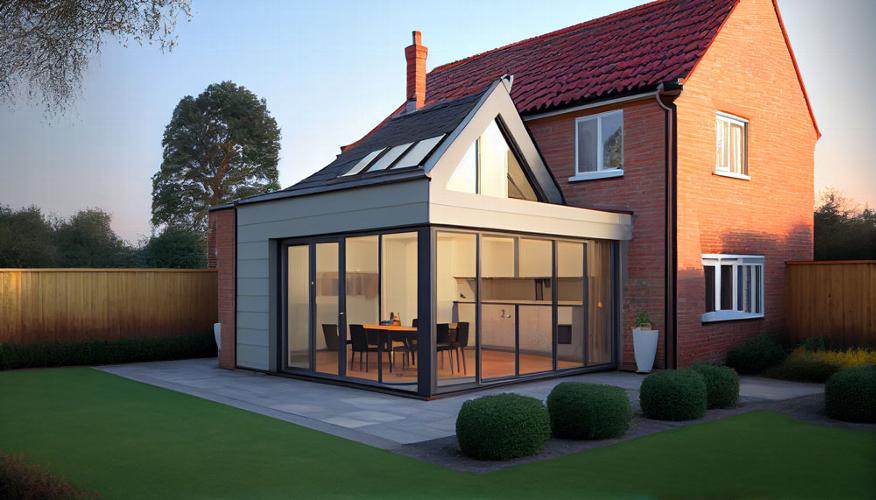
How Much Does a Home Extension Cost in the UK in 2026?
If you are planning to extend your home, one of the biggest questions you will have is how much a home extension costs in the UK. Whether you are considering a rear kitchen extension, a side return extension, or a large open-plan family space, extension costs can vary significantly depending on the size, design, structural work, and level of finish involved.
Many homeowners choose to extend rather than move house, especially when they want to create a larger kitchen, improve family living space, or increase property value. However, understanding the true cost of a home extension is important before starting the project.
In this guide, we explain average home extension costs in the UK, what affects pricing, hidden costs people often forget, and how to budget properly for a kitchen or home extension project.
What Is the Average Cost of a Home Extension in the UK?
The average cost of a home extension in the UK typically ranges from £1,800 to £3,500+ per square metre depending on the design, complexity, location, and specification of the project.
As a general guide:
- Small single-storey extension: £25,000 – £45,000
- Medium rear kitchen extension: £45,000 – £75,000
- Large open-plan extension: £75,000 – £150,000+
- Double-storey extension: £80,000 – £200,000+
- High-end bespoke extensions: £200,000+
These figures often cover the structural build only and may not include kitchens, bathrooms, flooring, landscaping, decorating, or professional fees.
How Much Does a Single-Storey Home Extension Cost in the UK?
Single-storey extensions are one of the most popular ways to increase living space without dramatically altering the structure of the existing property.
Most single-storey kitchen extensions in the UK cost between £2,000 and £3,000 per square metre depending on:
- Ground conditions
- Structural work required
- Glazing specification
- Roofing type
- Interior finishes
- Kitchen installation costs
Single-storey extensions are commonly used for:
- Open-plan kitchens
- Kitchen diners
- Utility rooms
- Garden rooms
- Family living areas
Although they are generally cheaper than double-storey extensions overall, large open-plan layouts with extensive glazing and steel supports can still become expensive projects.
What Is the Average Cost of a Double-Storey Extension in the UK?
Double-storey extensions usually cost more overall but can offer better value per square metre because the foundations and roofing costs are spread across two floors.
Most double-storey extensions cost between £80,000 and £200,000+ depending on the size and specification.
They are ideal for homeowners wanting:
- Larger kitchens downstairs
- Additional bedrooms upstairs
- Extra bathrooms
- Increased long-term property value
However, double-storey extensions are structurally more complex and often require:
- Larger steel supports
- More extensive planning considerations
- Additional drainage work
- Staircase alterations
- Greater labour costs
How Much Does a Rear Kitchen Extension Cost in the UK?
Rear kitchen extensions are among the most common extension types in the UK because they create larger, brighter, and more sociable living spaces.
The average rear kitchen extension costs between £40,000 and £100,000+ depending on:
- Extension size
- Roof design
- Kitchen specification
- Structural opening sizes
- Door and glazing systems
Many modern rear extensions include:
- Bifold doors
- Roof lanterns
- Underfloor heating
- Kitchen islands
- Open-plan dining spaces
These features improve aesthetics and functionality but also increase the overall project cost.
What Factors Affect the Cost of a Home Extension?
No two home extensions cost exactly the same. Even similarly sized projects can vary dramatically depending on design decisions and structural complexity.
The main factors affecting home extension costs include:
- Size of the extension
- Type of extension
- Structural changes
- Material specification
- Roofing design
- Ground conditions
- Labour costs
- Interior finishes
Understanding these factors early helps homeowners budget more accurately.
Does the Size of a Home Extension Affect the Overall Cost?
The larger the extension, the more materials, labour, and structural work are required.
However, complexity often affects pricing more than size alone.
For example, a modest extension with:
- Large structural openings
- Bespoke glazing
- Premium finishes
- Complex drainage relocation
may cost more than a larger but simpler extension.
Extensions with unusual shapes or challenging layouts also tend to increase labour costs.
Why Are Home Extension Costs Higher in London and the South East?
Home extension costs are typically much higher in London and the South East compared to other parts of the UK.
This is largely due to:
- Higher labour costs
- Increased demand for builders
- Greater material transport costs
- Limited site access
- More complex urban construction conditions
In some areas of London, extension costs can be 30–40% higher than the national average.
Properties in built-up areas may also require:
- Specialist access equipment
- Additional neighbour agreements
- More complex structural solutions
What Type of Home Extension Is Cheapest to Build?
Simple rear extensions are usually the cheapest type of extension to build because they involve straightforward layouts and less structural complexity.
More expensive extension types include:
- Wrap-around extensions
- Side return extensions
- Double-storey extensions
- Extensions with vaulted ceilings
- Fully glazed extensions
Flat roof extensions are generally cheaper than pitched roof extensions due to simpler construction and reduced material requirements.
Are Wrap-Around Extensions More Expensive Than Rear Extensions?
Wrap-around extensions are significantly more expensive than standard rear extensions because they combine both rear and side return construction.
This usually involves:
- Larger structural openings
- Additional steel beams
- More roofing work
- Increased drainage modifications
- Greater labour requirements
However, wrap-around extensions can completely transform older properties by creating large open-plan kitchen and living spaces.
Why Do Open-Plan Home Extensions Cost More?
Open-plan kitchen extensions often require substantial structural work to remove walls and create large uninterrupted spaces.
This can include:
- Steel beam installation
- Temporary support works
- Reinforced foundations
- Ceiling alterations
- Flooring integration
The larger the opening between the existing home and the extension, the greater the structural requirements are likely to be.
How Do Materials and Finishes Affect Home Extension Costs?
The materials you choose can dramatically change the final cost of your extension. Premium specifications often increase costs far more than homeowners initially expect.
Is Brick Matching More Expensive on Older Properties?
Matching brickwork on older homes can be surprisingly expensive, especially if original bricks are discontinued or weathered.
Some homeowners instead choose contrast finishes such as:
- Render
- Timber cladding
- Zinc
- Contemporary brickwork
This can sometimes create a more modern appearance while reducing sourcing difficulties.
What Is the Cheapest Roof Option for a Home Extension?
Flat roofs are generally the cheapest roofing option for home extensions.
They are popular because they:
- Require fewer materials
- Install more quickly
- Create modern aesthetics
- Work well with roof lanterns
However, pitched roofs are often preferred for traditional properties and can improve internal ceiling height.
Do Bifold and Sliding Doors Increase Extension Costs?
Large glazed doors are one of the most expensive features in many modern extensions.
Aluminium bifold and sliding door systems can cost several thousand pounds depending on:
- Width
- Glazing specification
- Frame material
- Opening mechanism
Although expensive, they significantly improve natural light and garden access.
Are Roof Lanterns and Skylights Worth the Extra Cost?
Roof lanterns and skylights are popular because they bring large amounts of natural light into kitchen extensions.
Benefits include:
- Brighter interiors
- Improved sense of space
- Better garden connection
- Modern aesthetics
However, large roof lanterns can substantially increase roofing and structural costs.
What Hidden Costs Do People Forget When Budgeting for a Home Extension?
One of the most common mistakes homeowners make when planning a home extension is focusing purely on the main construction quote while overlooking the additional costs that come later in the project. In reality, the structural build is often only one part of the total investment.
Many extension projects end up costing more than expected because homeowners forget to budget for finishing works, professional fees, VAT, landscaping, kitchens, or unexpected structural issues discovered during construction.
Some of the most commonly overlooked home extension costs include:
- VAT
- Architectural and structural engineering fees
- Building control costs
- Kitchen or bathroom installations
- Flooring and decorating
- Lighting and electrical upgrades
- Landscaping and patios
- Drain relocation
- Upgraded glazing and doors
- Temporary accommodation if required
- Contingency budgets for unforeseen issues
Understanding these hidden costs early helps create a far more realistic extension budget and reduces the risk of overspending during the project.
Is VAT Included in Home Extension Quotes?
VAT is one of the biggest hidden costs in UK home extension projects. Most extensions are subject to 20% VAT on labour and materials, yet many homeowners forget to account for this when budgeting.
For example:
- A £50,000 extension may actually cost £60,000 including VAT
- A £100,000 extension may increase to £120,000 once VAT is added
Some quotations include VAT while others exclude it, so it is important to clarify this before comparing prices between contractors.
How Much Does a New Kitchen Add to Extension Costs?
Many homeowners focus on the cost of the extension itself but underestimate how much the kitchen installation contributes to the overall budget.
A kitchen extension often includes far more than cabinetry alone, including:
- Kitchen units
- Appliances
- Worktops
- Kitchen islands
- Sinks and taps
- Flooring
- Lighting
- Decorating
- Electrical upgrades
Depending on specification, kitchens can add anywhere from £10,000 to £50,000+ to an extension project.
Premium finishes such as quartz worktops, bespoke cabinetry, integrated appliances, and large islands can significantly increase costs.
What Interior Finishes Increase the Cost of an Extension?
Interior finishes are another area where extension budgets often increase quickly. While structural costs are usually planned from the beginning, finishing details are sometimes decided later, making it easy for costs to escalate.
Features that commonly increase extension costs include:
- Underfloor heating
- Large-format tiles
- Premium wood flooring
- Bespoke joinery
- Smart lighting systems
- Feature ceilings
- Designer radiators
- Built-in storage
- High-end decorating finishes
Although these upgrades improve the final appearance and functionality of the space, they can add thousands to the overall project cost.
Do Landscaping and Garden Works Increase Home Extension Costs?
Many homeowners forget that the garden often needs reinstating once the extension is complete.
Construction work can damage existing patios, lawns, pathways, and drainage systems, leading to additional landscaping costs after the main build has finished.
Common post-extension landscaping costs include:
- New patios
- Garden drainage
- Turfing
- Fencing
- Outdoor lighting
- Retaining walls
- Steps and pathways
These works are frequently excluded from initial extension quotations.
Why Should You Include a Contingency Budget for a Home Extension?
Even well-planned extensions can uncover unexpected costs once construction begins.
Common unforeseen issues include:
- Hidden drainage problems
- Poor ground conditions
- Structural defects
- Asbestos removal
- Electrical rewiring
- Damp repairs
For this reason, most professionals recommend allowing an additional 10–15% contingency budget on top of the quoted extension cost.
Having a contingency fund in place helps avoid delays and reduces financial pressure if unexpected issues arise during the build.
How Can You Avoid Unexpected Home Extension Costs?
The best way to avoid unexpected costs is through careful planning before construction begins.
Homeowners can reduce the risk of budget increases by:
- Having detailed architectural drawings prepared
- Finalising specifications early
- Using experienced extension specialists
- Requesting fully itemised quotations
- Clarifying what is excluded from the quote
- Allowing for a contingency budget
- Avoiding major design changes mid-project
The more detailed the planning process is upfront, the more accurate and manageable the final project cost is likely to be.
Are Home Extensions Worth the Investment?
For many homeowners, extensions provide both financial and lifestyle benefits.
A well-designed extension can completely transform how a property functions while increasing long-term value.
Does a Home Extension Increase Property Value?
Kitchen and living space extensions are often among the most valuable home improvements.
Extensions can increase value by:
- Creating additional living space
- Improving layout and flow
- Modernising older properties
- Making homes more attractive to buyers
However, the increase in value depends on the quality and suitability of the extension.
Is Extending Better Than Moving House?
Many homeowners now choose to extend instead of moving due to:
- Stamp duty costs
- Moving expenses
- Limited housing stock
- Desire to stay in the same area
Extending can often be more cost-effective than purchasing a larger property.
How Can You Get an Accurate Quote for a Home Extension?
Accurate quotations depend on clear planning and detailed specifications. The more information you provide upfront, the more reliable your quotations are likely to be.
What Should Be Included in a Home Extension Quote?
A detailed extension quote should clearly outline:
- Structural works
- Materials
- Labour
- VAT
- Electrical work
- Plumbing
- Finishes
- Exclusions
Always check exactly what is included before comparing quotations.
Looking to Plan a Kitchen Extension or Open-Plan Living Space?
At Bookham Kitchens & Interior Solutions, we help homeowners create beautifully designed kitchen extensions and open-plan living spaces tailored around modern family living.
From kitchen layouts and cabinetry through to interior finishes and space planning, we work closely with homeowners to help transform how their home looks and functions.
To discuss your kitchen extension or interior project, contact Bookham Kitchens & Interior Solutions today.