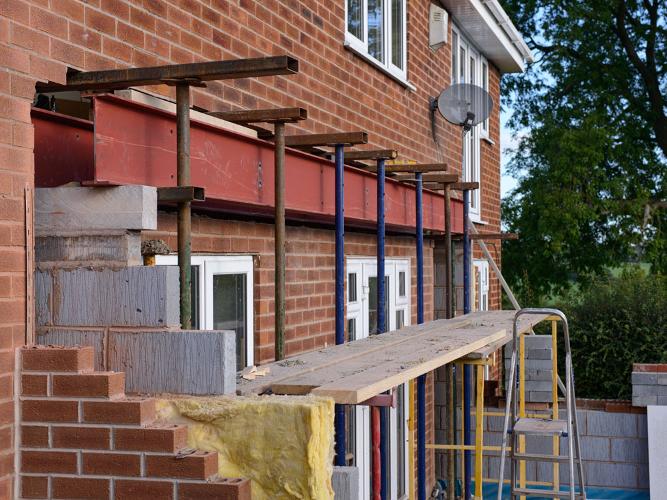
How Long Does a Home Extension Take From Start to Finish?
If you are planning to extend your property, one of the biggest questions you are likely to ask is: how long does a home extension take? Whether you are considering a rear kitchen extension, side return extension, or a large open-plan family space, understanding the full timeline helps you plan finances, living arrangements, and expectations before work begins.
The reality is that home extension timelines vary significantly depending on the size of the project, planning requirements, structural complexity, and how prepared the design is before construction starts. While some smaller extensions may be completed within a few months, larger or more complex projects can take considerably longer from the first consultation through to final completion.
In this guide, we explain the average timeline for a home extension in the UK, how long each stage usually takes, what delays projects most often, and what homeowners should realistically expect throughout the process.
What Is the Typical Timeline for a Home Extension in the UK?
The average home extension timeline in the UK is typically between 4 and 12 months from the initial planning stage through to completion. However, every project is different, and timelines can vary depending on the size, design, approvals required, and overall complexity of the build.
Many homeowners only think about the construction phase itself, but the total project timeline also includes design work, planning permission, structural calculations, building regulations, and scheduling contractors.
How Many Months Does a Typical Home Extension Take From Start to Finish?
As a general guide, most home extensions fall within the following timeframes:
- Small single-storey extension: 4–6 months
- Rear kitchen extension: 5–8 months
- Wrap-around extension: 6–10 months
- Double-storey extension: 9–14 months
These estimates include both planning and construction stages rather than just the physical build time.
Why Do Home Extension Timelines Vary So Much?
No two extensions are exactly the same. A straightforward rear extension with minimal structural work may move quickly, while a large open-plan extension involving steel beams, drainage relocation, and bespoke glazing will usually take much longer.
Factors that commonly affect extension timelines include:
- Structural complexity
- Planning approval requirements
- Builder availability
- Material lead times
- Ground conditions
- Weather
- Design revisions
- Property access restrictions
Even projects of similar size can vary significantly depending on specification and layout.
What Is the Difference Between Build Time and Total Project Time?
One of the biggest misconceptions homeowners have is confusing construction time with the overall project timeline.
For example, a kitchen extension may physically take 12–16 weeks to build, but the full project could still take 6–9 months once planning, approvals, preparation, and finishing works are included.
The total project timeline usually includes:
- Design consultations
- Architectural drawings
- Planning permission
- Structural engineering
- Building regulations approval
- Scheduling contractors
- Ordering materials
- Construction
- Snagging and decoration
Understanding this difference helps homeowners plan more realistically from the beginning.
How Long Does the Planning Stage of a Home Extension Take?
The planning stage is often one of the longest parts of a home extension project because it involves design development, layout revisions, approvals, and coordination between multiple professionals.
Spending more time planning early in the project often helps reduce delays and costly changes later during construction.
How Long Does the Design and Feasibility Stage of a Home Extension Take?
The design and feasibility stage usually takes between 2 and 8 weeks depending on the size and complexity of the extension.
This stage typically includes:
- Initial ideas and consultations
- Site surveys and measurements
- Budget discussions
- Layout planning
- Architectural concepts
- Feasibility checks
Many homeowners spend time refining layouts to ensure the extension improves both practicality and long-term property value.
How Long Does It Take to Create Architectural Drawings for a Home Extension?
Architectural drawings usually take between 1 and 4 weeks depending on the scope of the project and how many revisions are required.
More complex extensions involving:
- Open-plan layouts
- Vaulted ceilings
- Roof lanterns
- Large glazing installations
- Wrap-around extensions
often require additional design development before drawings are finalised.
Clear communication and quick decision-making during this stage can help keep the project moving efficiently.
Why Do Layout Revisions Increase Home Extension Timelines?
Layout revisions are extremely common, particularly with kitchen extensions where homeowners want to optimise storage, workflow, seating, lighting, and garden access.
Changes during the design phase are normal, but extensive revisions can increase timelines significantly.
Common reasons for revisions include:
- Altering kitchen layouts
- Repositioning doors and glazing
- Changing roof designs
- Expanding the extension footprint
- Adjusting structural openings
Finalising the layout before construction begins helps avoid delays later in the project.
How Long Does Planning Permission Take for a Home Extension?
Planning permission timelines vary depending on whether the extension falls under permitted development rights or requires full planning approval.
Some smaller extensions can progress much faster if formal planning permission is not needed.
How Long Does Permitted Development Approval Take for a Home Extension?
Permitted development projects are usually quicker because they avoid the full planning application process.
However, many homeowners still apply for a Lawful Development Certificate for peace of mind and future proofing, which can still take several weeks depending on local authority workloads.
Permitted development commonly applies to:
- Certain rear extensions
- Some side extensions
- Smaller single-storey extensions
Rules vary depending on property type and location.
How Long Does Full Planning Permission Take for a Home Extension?
Full planning permission for a home extension typically takes around 8 weeks from submission to decision.
This process usually includes:
- Submission of plans
- Validation checks
- Neighbour consultation periods
- Planning officer reviews
- Final council decision
More complex or unusual extension designs may take longer if revisions or additional information are requested.
What Delays Planning Permission for a Home Extension?
Planning delays are relatively common and can add weeks or even months to a project timeline.
Common causes of delays include:
- Incomplete applications
- Design revisions
- Neighbour objections
- Conservation area restrictions
- Additional planning requests
- High council workloads
Working with experienced architects and extension specialists often helps reduce avoidable planning delays.
How Long Does It Take to Prepare for a Home Extension Build?
Once planning approval is complete, there are still several important preparation stages before building work can begin.
This stage is often underestimated but plays a major role in keeping the project organised and reducing delays during construction.
How Long Do Structural Calculations Take for a Home Extension?
Structural calculations usually take between 1 and 3 weeks depending on the complexity of the project.
Structural engineers calculate requirements for:
- Steel beams
- Structural openings
- Load-bearing walls
- Roof supports
- Foundations
These calculations are essential before construction begins, particularly for open-plan kitchen extensions.
How Long Does Building Regulations Approval Take for a Home Extension?
Building regulations approval can take anywhere from a few days to several weeks depending on the submission type and local authority.
This stage ensures the extension complies with regulations relating to:
- Structural safety
- Fire safety
- Ventilation
- Drainage
- Insulation
- Energy efficiency
Building control inspections also continue throughout the construction phase itself.
How Long Do Party Wall Agreements Take During a Home Extension?
Party wall agreements can sometimes add several weeks or months to a project timeline.
This process commonly applies to:
- Semi-detached homes
- Terraced properties
- Side return extensions
- Excavation near neighbouring walls
If neighbours appoint surveyors or disputes arise, the process can take considerably longer.
How Long Does It Take to Schedule Builders for a Home Extension?
Builder availability is one of the most overlooked parts of a home extension timeline.
Experienced extension specialists are often booked months in advance, particularly during busy periods.
Some homeowners may wait:
- 2–6 months for general builders
- 6–12 months for highly sought-after specialists
This is why many projects secure contractors while planning permission is still progressing.
How Long Does It Take to Build a Home Extension?
The actual construction timeline depends on the size, complexity, and specification of the extension.
Larger open-plan projects involving structural alterations and bespoke finishes usually take longer than straightforward builds.
How Long Does a Single-Storey Home Extension Take to Build?
Most single-storey home extensions take approximately 10–16 weeks to complete once construction begins.
This usually includes:
- Groundworks
- Foundations
- Brickwork
- Roofing
- Structural steel installation
- Windows and doors
- Plumbing and electrics
- Plastering
- Flooring and decoration
Kitchen installations and bespoke finishes may increase the timeline further.
How Long Does a Double-Storey Home Extension Take to Build?
Double-storey extensions generally take between 16–30 weeks depending on structural complexity and specification.
Additional time is often required because of:
- Upper floor construction
- Roofing complexity
- Additional plumbing
- Staircase integration
- Larger structural requirements
Double-storey projects are usually more disruptive and involve more coordination between trades.
What Is the Typical Week-by-Week Timeline for Building a Home Extension?
Although every project differs, most home extensions follow a similar construction sequence from groundwork through to completion.
What Happens During Weeks 1–2 of a Home Extension Build?
The early stages of construction usually focus on site preparation and groundwork.
This often includes:
- Site clearance
- Demolition work
- Excavation
- Foundations
- Drainage installation
This stage is often noisy, messy, and highly disruptive.
What Happens During Weeks 3–6 of a Home Extension Build?
Once foundations are complete, the extension structure begins taking shape.
This stage usually includes:
- Brickwork
- Structural steel installation
- Floor structures
- Roof framing
- External walls
Homeowners often see the most visible progress during this phase.
What Happens During Weeks 7–10 of a Home Extension Build?
The extension is usually made weatherproof during this phase.
This commonly includes:
- Roofing completion
- Windows and doors
- External finishes
- First fix electrics
- First fix plumbing
Once watertight, internal works progress much faster.
What Happens During the Final Stages of a Home Extension?
The final stages focus on internal finishes and preparing the extension for use.
This often includes:
- Plastering
- Flooring
- Kitchen installation
- Decorating
- Lighting
- Carpentry
- Snagging
These finishing stages often take longer than homeowners initially expect because of the level of detail involved.
What Can Delay a Home Extension Project?
Even well-managed extension projects can experience delays during planning or construction.
Some delays are minor, while others can significantly extend the project timeline.
Can Weather Delay a Home Extension Build?
Poor weather can delay external construction work, especially during winter.
Heavy rain and freezing temperatures commonly slow:
- Groundworks
- Bricklaying
- Roofing
- Concrete pouring
Weather delays are difficult to avoid entirely but can sometimes be reduced through careful scheduling.
Can Material Supply Issues Delay a Home Extension?
Material lead times have become one of the most common causes of delays in recent years.
Common delayed items include:
- Windows and doors
- Roof lanterns
- Kitchens
- Steel beams
- Bespoke glazing
Ordering materials early helps reduce the risk of major supply delays.
Can Design Changes Delay a Home Extension?
Changing layouts, finishes, or structural elements after construction begins almost always increases both timelines and costs.
Late design changes may require:
- Revised drawings
- Additional structural calculations
- New material orders
- Rebuilding completed work
Finalising specifications early helps projects run much more smoothly.
Can Structural Surprises Delay a Home Extension?
Unexpected structural issues are common, particularly in older properties.
Builders sometimes uncover:
- Poor foundations
- Hidden drains
- Damp issues
- Structural movement
- Asbestos
These problems often require additional work before construction can safely continue.
Can You Live in Your Home During an Extension?
Many homeowners continue living in their property during a home extension, particularly during smaller single-storey projects.
However, some stages can be highly disruptive depending on the scale of the work.
Which Stages of a Home Extension Are Most Disruptive?
The most disruptive stages usually include:
- Demolition work
- Structural knock-throughs
- Steel beam installation
- Temporary kitchen removal
- Flooring replacement
- Electrical shutdowns
Dust, noise, and restricted access are common during these phases.
Is It Safe to Live in a House During a Home Extension?
In many cases, yes, although it depends on the scale of the project.
Builders usually create temporary barriers to separate construction zones from living spaces, but homeowners should still expect:
- Dust
- Noise
- Temporary utility interruptions
- Limited cooking facilities
- Reduced access around the property
Families with young children may find some stages particularly challenging.
What Temporary Kitchen and Living Solutions Can You Use During an Extension?
When kitchen spaces become unusable, many homeowners create temporary setups using:
- Portable hobs
- Microwaves
- Utility rooms
- Garden rooms
- Temporary sinks
Planning temporary living arrangements early can make the process far less stressful.
When Does It Make Sense to Move Out During a Home Extension?
Temporary accommodation may make sense during:
- Major structural renovations
- Double-storey extensions
- Full ground-floor remodels
- Projects involving complete kitchen removal
Although moving out increases costs, it can reduce stress and allow builders to work more efficiently.
Planning an Extension or Open-Plan Living Space?
At Bookham Kitchens & Interior Solutions, we help homeowners create beautifully designed kitchen extensions and open-plan living spaces tailored around modern family living.
From kitchen layouts and cabinetry through to interior finishes and space planning, our team works closely with homeowners throughout every stage of the extension process.
To discuss your extension or kitchen project, contact Bookham Kitchens & Interior Solutions today.